Calligrafy: A Script Font for Dynamic Campaigns
When I was finalizing the visuals for a seasonal sale campaign, I needed a font that could capture the energy of the moment without overpowering the message. Calligrafy emerged as the perfect choice. As a script font with fluid brush strokes and expressive letterforms, it brings an artistic flair that aligns well with creative campaigns, especially those aiming to stand out in a crowded digital space.
The Visual Personality of Calligrafy
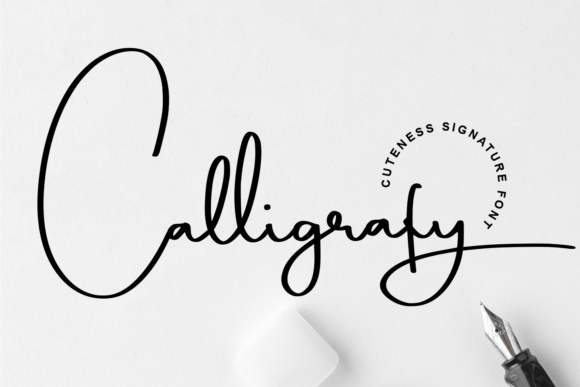
Calligrafy is more than just a typeface—it’s a visual statement. Its flowing curves and dynamic shapes evoke a sense of movement and elegance, making it ideal for branding that wants to feel contemporary yet refined. The font carries a personality that’s both sophisticated and approachable, which makes it versatile across various marketing channels.
One of the standout features of Calligrafy is its ability to convey emotion through typography. Whether used for a product teaser or a promotional banner, the font adds a layer of creativity that can elevate the overall aesthetic of any design. It’s not just about looking good; it’s about communicating the right tone and mood to your audience.
Testing Calligrafy in Real Campaigns
During the development of a YouTube thumbnail set for a new online course launch, I tested several fonts before settling on Calligrafy. The first iteration used a standard sans serif font, but the thumbnails felt flat and unengaging. When I switched to Calligrafy, the thumbnails immediately gained a distinct visual identity that caught the eye.
Calligrafy worked particularly well for short headlines and callouts. Its expressive style made the text feel more personal and engaging, which is crucial for content that needs to stop viewers in their scrolling. However, I noticed that on mobile previews, the font could sometimes appear slightly less legible due to its intricate strokes. To address this, I paired it with a clean sans serif font for supporting text, ensuring readability while maintaining visual interest.
Using Calligrafy Across Digital Platforms
Calligrafy’s versatility makes it a strong candidate for use across multiple platforms. For Instagram posts, it works beautifully as a decorative title or brand tagline, adding a touch of sophistication without overwhelming the feed. On Pinterest, where visual hierarchy is key, Calligrafy can help highlight key phrases in pins, guiding users’ attention to the most important information.
For digital ads, especially those running on social media, Calligrafy can be used effectively for headlines and campaign labels. Its bold, artistic look helps the ad stand out in fast-scrolling feeds, increasing the likelihood of user engagement. In web design, it’s best used for headers and banners, where its visual appeal can enhance the overall user experience without compromising readability.
When designing email promotions, Calligrafy can serve as a powerful tool for creating memorable subject lines and header text. However, it’s important to balance its use with simpler typography for body text to ensure the message remains clear and easy to read.
Font Pairing and Practical Tips
To maximize the impact of Calligrafy, consider pairing it with a clean sans serif or serif font for contrast. This combination allows the script font to shine while maintaining readability and professionalism. For example, using a modern sans serif like Montserrat for body text complements Calligrafy’s elegant curves and enhances the overall design harmony.
Before using Calligrafy in client campaigns or branded content, always check the included styles, alternates, ligatures, weights, and file formats. Ensuring that the font supports multilingual characters is also essential if you’re targeting international audiences. Additionally, verify that the font licensing allows for commercial use, especially when incorporating it into templates or merchandise.
Keep in mind that Calligrafy may not be the best choice for long copy or dense information. Its expressive style is more suited for headlines, callouts, and decorative elements rather than lengthy paragraphs. In formal corporate settings, it might not convey the necessary professionalism, so it’s best reserved for creative or lifestyle-focused campaigns.
Final Thoughts on Calligrafy
Calligrafy is a powerful addition to any designer’s toolkit, especially for those working on creative campaigns that require a distinctive visual voice. Its artistic flair and contemporary elegance make it a great fit for social media graphics, digital ads, and branded templates. By understanding its strengths and limitations, marketers and designers can leverage Calligrafy to create compelling, visually engaging content that resonates with their audience.